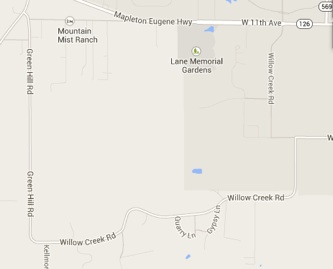
Willow Creek



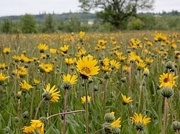

This site is the real “heart” of the west Eugene wetland system.
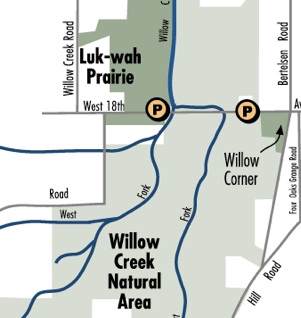
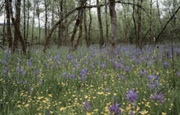
The 405-acre Willow Creek Natural Area is owned and managed by The Nature Conservancy (TNC). It is one of the finest remnants of native Willamette Valley wet prairie with a host of native wetland and upland plants, including several species on state and federal endangered lists. One of those rare plants, Kincaid's lupine is the host plant for a listed butterfly, Fender's Blue.
The City of Eugene and TNC began working cooperatively in 1979 to protect this area; the master plan and its implementation are a living testament to cooperation and dedication to protecting special natural places in Eugene. And the birds and other animals here benefit greatly from the improved habitats. The Willow Creek bird checklist contains 115 species.
Sightings:
Remember that you are a guest in this place owned and managed by TNC. As you walk around the interior 60-acre prairie area, you will follow a graded fire break path. Many places are marked with flags. Please stay within the marked areas to avoid harming native plants. Poison oak is present; another reason to stay on the paths.
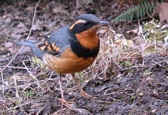
Along the west branch of Willow Creek, the thick willows support Black-capped Chickadees, Song Sparrows, and Ruby-crowned Kinglets. The beaver ponds and inundated ash trees are good places to find Willow Flycatcher in late spring and during the breeding season. Listen and watch for Red-shouldered Hawk along the creek branches. The open prairie often sports American Kestrel and Western Meadowlark. The riparian forests are a favorite habitat for Black-headed Grosbeak and Spotted Towhee, as well as American Robin and Varied Thrush (in winter).
Watch for Lazuli Bunting and both American and Lesser Goldfinches in the trees along the prairie edge. As you approach the stand of firs, listen for Hutton's Vireo, Red-breasted Nuthatch, and kinglets. In the undergrowth, you can find Winter Wren. Among other birds found in the fir grove are Varied and Hermit Thrush, and Swainson's Thrush can be heard singing in breeding season. A Northern Harrier may patrol the grasslands. This grove can also shelter a roosting owl.
The Nature Conservancy uses prescribed fires and manual removal to open more of this area to native prairie. Enjoy the rest of the loop that takes you back along the east branch to the creek to W. 18th Avenue. Keep your eyes open for White-tailed Kite, or amore unusual visitor like Ash-throated Flycatcher or White-throated Sparrow.
Lazuli Bunting